



Energy & vitality¹
B vitamins, vitamin C and magnesium contribute to normal energy-yielding metabolism and to the reduction of tiredness and fatigue¹.
Sorry, the requested quantity is not available.


01 + 02 · THE COMPLETE FOUNDATION
Your complete health foundation¹ in one straightforward routine. Combines over 30 scientifically dosed micronutrients and macronutrients for your daily intake.


Contents: 60 capsules · 30 daily servings. Daily serving: 2 capsules.
| Ingredient | Per 2 capsules |
|---|---|
| Algal oil | 1000 mg |
| of which Omega-3 | 650 mg |
| of which DHA | 400 mg |
| of which EPA | 200 mg |
| Astaxanthin | 6 mg |
| Lutein | 10 mg |
| Zeaxanthin | 2 mg |
| Vitamin D | 20 µg |
| Vitamin K | 75 µg |
| Vitamin C | 80 mg |
| Vitamin B1 | 0.42 mg |
| Vitamin B2 | 0.61 mg |
| Vitamin B3 | 16 mg |
| Vitamin B5 | 2.78 mg |
| Vitamin B6 | 0.69 mg |
| Vitamin B9 (Folate) | 92 µg |
| Vitamin B12 | 12.49 µg |
| Biotin | 20 µg |
| Zinc | 6 mg |
| Selenium | 45 µg |
| Iodine | 97.2 µg |
Contents: 1064 g · 28 daily servings. Daily serving: 38 g.
| Nutrient | Per 100 g | Per 38 g |
|---|---|---|
| Energy | 267 kcal | 101 kcal |
| Fat | 1.2 g | 0.4 g |
| of which saturates | 0.3 g | 0.1 g |
| Carbohydrate | 7.3 g | 2.8 g |
| of which sugars | 1.0 g | 0.4 g |
| Fibre | 28.3 g | 10.8 g |
| Protein | 38.6 g | 14.7 g |
| Salt | 0.7 g | 0.3 g |
| Ingredient | Per 38 g |
|---|---|
| Resistant maltodextrin | 6.5 g |
| PHGG | 4 g |
| Acacia fibre | 1 g |
| Protein (faba bean, pea protein isolate, free amino acids) | 14.7 g |
| Creatine | 3 g |
| Glucosamine | 1 g |
| HMB | 1 g |
| Taurine | 250 mg |
| L-carnitine | 250 mg |
| Choline | 100 mg |
| Nicotinamide riboside (NR) | 200 mg |
| Coenzyme Q10 | 100 mg |
| Vitamin C | 20 mg |
| Magnesium | 150 mg |
Your Daily Foundation
Daily Essentials provides the essential micronutrient foundation, while Daily Vitality adds valuable macronutrients. Together, they form a fully coordinated system¹⁵ for your daily nutrient foundation.
Both products were developed as a mathematically precise complete system. Micronutrients, omega-3 and macronutrient components work together seamlessly¹⁵. The specified combination is checked against applicable maximum amounts.
Two capsules with a refreshing drink. Your full biological foundation taken care of in two straightforward steps.
Brings together numerous authorised nutrient functions. A daily foundation for cellular health⁸, which you can build on with specific modules such as Fitness⁺, Sleep⁺, Brain⁺ or Skin⁺ if needed.
Instead of artificial megadoses or token ingredients, we choose targeted doses for both products. We add up shared amounts and assess them against BfR proposed maximum supplement amounts and EFSA upper limits.
All fibre counts
The guideline of at least 30 g applies to all fibre combined. The daily dose adds 11.5 g of soluble fibre to your diet.
20 µg for daily supplementation
20 µg corresponds to the DGE reference value when the body does not produce vitamin D through sunlight. The dose also matches the BfR’s recommended maximum supplement amount. 400% NRV refers to the EU labelling reference value, not a maximum amount.
12.49 µg of vitamin B12 per day
12.49 µg complements your diet and is below the BfR’s recommended maximum supplement amount of 25 µg. The recommended maximum is not an intake target. The NRV is an EU labelling reference value for nutrient amounts, not a maximum amount.
650 mg omega-3, including 600 mg EPA + DHA
The daily serving provides 600 mg of EPA and DHA from algal oil. The reference value covers both fatty acids together. No suitably prepared typical-intake value is available for this chart, so it shows the contribution of our daily serving.
3 g per daily serving
You receive 3 g of creatine monohydrate per daily serving. No separate DGE/EFSA intake reference value has been set for creatine monohydrate. The declared amount shows exactly what your routine adds.
The reference value depends on body weight
The daily serving adds 14.7 g of protein to your diet. Your total needs depend, among other things, on your body weight. We therefore show the specific contribution of the serving.
45 µg selenium: 82% of the EU NRV
45 µg of selenium supplements your diet with 82% of the EU labelling reference value. This amount matches the BfR’s proposed maximum from 2021. Since 2024, the BfR’s recommended maximum supplement amount has been 40 µg, placing our dose 5 µg above it. The NVS II data used here does not provide reliable selenium intake values; the chart shows our daily dose.
75 µg: 100% of the EU NRV for vitamin K
75 µg provides 100% of the EU NRV for vitamin K in the form of K2 (MK-7). This labelling reference value applies to vitamin K overall; no separate intake reference value has been set for K2. The BfR’s recommended maximum supplement amount for K2 is 25 µg. Our daily dose is above that amount.
97.2 µg iodine to complement your diet
Our daily dose of 97.2 µg complements the iodine in your diet. The dietary data used only partly captures iodised salt in processed foods. Your dietary contribution may therefore be higher than shown in the chart.
100 mg per daily serving
You receive 100 mg of coenzyme Q10 per daily serving. No separate DGE/EFSA intake reference value has been set for coenzyme Q10. The declared amount shows exactly what your routine adds.
20 µg for daily supplementation
20 µg of biotin complements your daily diet. The dataset used here does not contain sufficiently reliable typical-intake values for this nutrient. We therefore show the product amount without estimating a dietary contribution.
1 g per daily serving
You receive 1 g of glucosamine per daily serving. No separate DGE/EFSA intake reference value has been set for glucosamine. The declared amount shows exactly what your routine adds.
6 mg astaxanthin per day
The daily dose of 6 mg is below the EU maximum of 8 mg for adults. No separate DGE/EFSA intake reference value has been set. The chart shows the product amount and the maximum-amount line.
250 mg per daily serving
You receive 250 mg of L-carnitine per daily serving. No separate DGE/EFSA intake reference value has been set for L-carnitine. The declared amount shows exactly what your routine adds.
100 mg for daily supplementation
100 mg of choline complements your daily diet. The dataset used here does not contain sufficiently reliable typical-intake values for this nutrient. We therefore show the product amount without estimating a dietary contribution.
250 mg per daily serving
You receive 250 mg of taurine per daily serving. No separate DGE/EFSA intake reference value has been set for taurine. The declared amount shows exactly what your routine adds.
2.78 mg for daily supplementation
2.78 mg of pantothenic acid (B5) complements your daily diet. The dataset used here does not contain sufficiently reliable typical-intake values for this nutrient. We therefore show the product amount without estimating a dietary contribution.
10 mg per daily serving
You receive 10 mg of lutein per daily serving. No separate DGE/EFSA intake reference value has been set for lutein. The declared amount shows exactly what your routine adds.
1 g per daily serving
You receive 1 g of HMB per daily serving. No separate DGE/EFSA intake reference value has been set for HMB. The declared amount shows exactly what your routine adds.
200 mg nicotinamide riboside per day
The daily dose of 200 mg is below the EU maximum of 300 mg of NR chloride for adults. For pregnant and breastfeeding women, the maximum is 230 mg. No separate intake reference value has been set; the chart shows the product amount.
2 mg per daily serving
You receive 2 mg of zeaxanthin per daily serving. No separate DGE/EFSA intake reference value has been set for zeaxanthin. The declared amount shows exactly what your routine adds.
B vitamins, vitamin C and magnesium contribute to normal energy-yielding metabolism and to the reduction of tiredness and fatigue¹.

Vitamin C, vitamin D, zinc and selenium contribute to the normal function of the immune system².
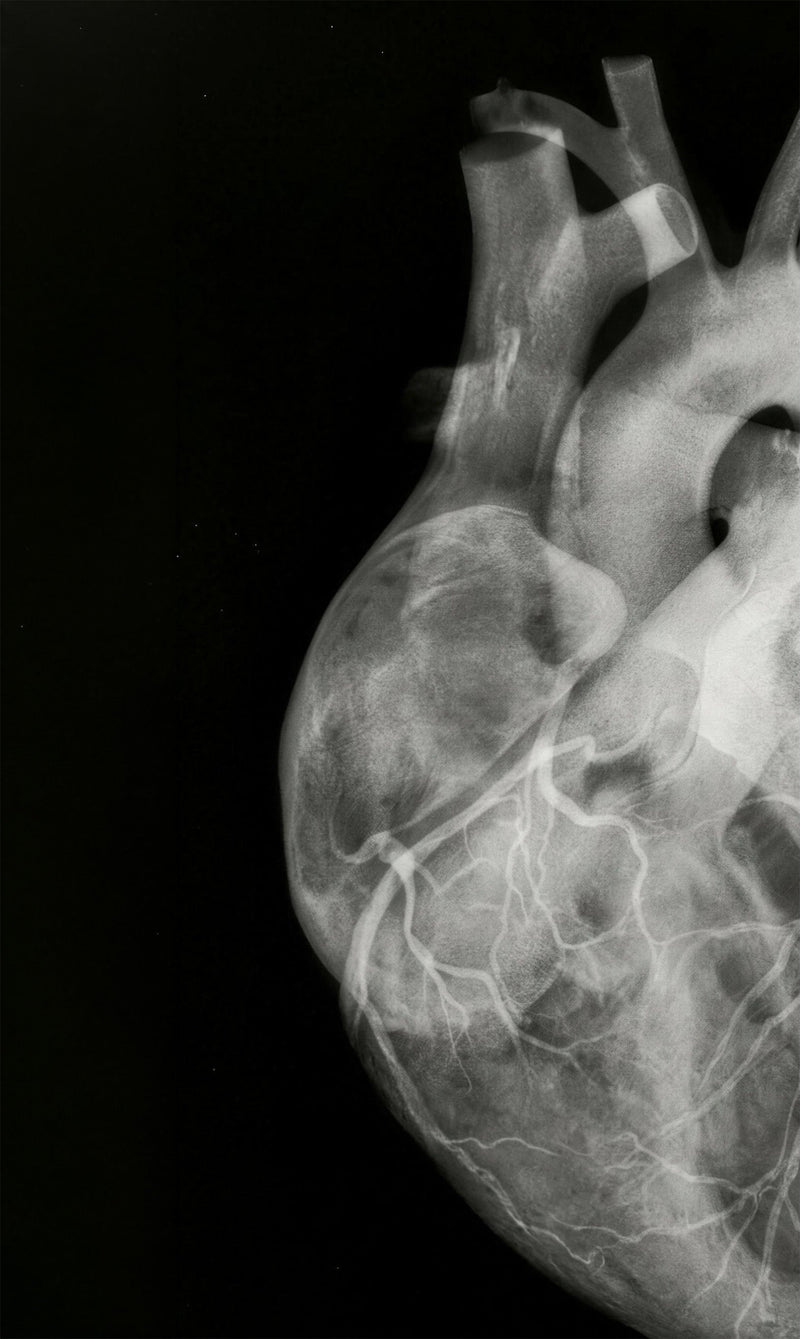
EPA and DHA contribute to the normal function of the heart³.

DHA contributes to maintenance of normal brain function. DHA contributes to the maintenance of normal vision. Zinc contributes to normal cognitive function⁴.

Protein contributes to the maintenance of muscle mass. Protein contributes to a growth in muscle mass. Vitamin D, vitamin K and zinc contribute to the maintenance of normal bones⁵.

Creatine increases physical performance in successive bursts of short-term, high intensity exercise⁶.
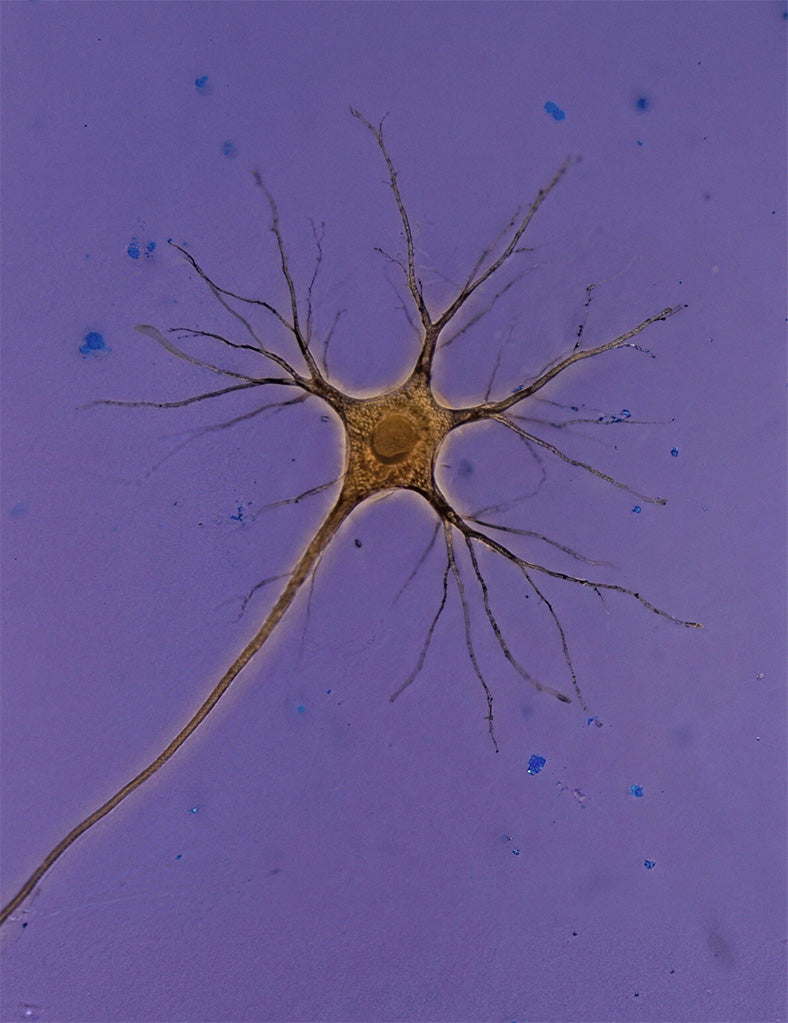
Magnesium and B vitamins contribute to normal functioning of the nervous system and to normal psychological function⁷.
Our formulations are reviewed by researchers from renowned German institutes.

Prof. Dr. Francesca Ronchi
Charité – Universitätsmedizin Berlin
Research group leader
At Charité Berlin, Prof. Dr. Francesca Ronchi researches communication between the gut and the brain. She studies how the immune system and microbiome regulate fundamental biological processes. Her goal is to translate complex science into considered solutions for daily health.

Dr. Dirk Löffert
FACTS
Immunologist & co-founder
Dr. Dirk Löffert is a life sciences entrepreneur with decades of experience building and scaling innovative health companies. Guided by scientific precision, he leads the development of systems that translate complex nutritional science into straightforward, practical solutions.

Dr. Constantinos Demetriades
Max Planck Institute for Biology of Ageing
Research group leader
At the Max Planck Institute for Biology of Ageing, Dr. Constantinos Demetriades researches a central switch in our cells: the protein mTOR. This molecular manager controls whether cells grow or regenerate and how they respond to nutrition and the environment. He is decoding the control centre for a long, healthy life.
Every batch is analysed by independent German institutes. The reports are available for you to view.
View analyses Daily Foundation
Greens powder
Self-assembled supplement stack
Daily Foundation
Greens powder
Self-assembled supplement stack

★★★★★
Such a straightforward nutrient foundation. Vegan omega-3, vitamins and minerals in one capsule. That’s what I call simple and innovative.


★★★★★
The arguments, grounded in sound science, convinced me to buy the product. From a certain age, it makes sense to do a little more for your health.


★★★★★
I’m sceptical about longevity products. But this concept is really convincing. I’m genuinely surprised by how good it tastes. Nothing like the usual plant protein taste.
DAILY FOUNDATION combines DAILY ESSENTIALS and DAILY VITALITY. This brings micronutrients, algal omega-3, fibre, protein and creatine together in one daily routine.
For adults who want to combine vitamins, minerals, algal omega-3, fibre, protein and creatine in a clear daily routine. The amounts in the capsules and drink were considered together, making it easier to put your foundation together.
Each format has a clear role: the Duo-Kapsel capsules keep algal oil and powdered components separate until use. The drink provides room for the larger amounts of fibre, protein and creatine. This fits the daily serving into two capsules and one drink.
The set combines a multivitamin, algal omega-3, vitamins D3 and K2, B vitamins, creatine, fibre and protein. Whether you need other products depends on your diet and personal circumstances.
FACTS DAILY is a single drink with vitamins, minerals and fibre. DAILY FOUNDATION combines two Duo-Kapsel capsules with a drink and additionally provides algal omega-3, more fibre, protein and creatine. Choose the option that fits your preferred routine.
The daily serving consists of two DAILY ESSENTIALS Duo-Kapsel capsules and 38 g of DAILY VITALITY. Among other ingredients, it provides:
It also contains the vitamins, minerals and other ingredients in both products. You can find all amounts in the two nutrient tables.
Yes. Both the ESSENTIALS capsules and VITALITY powder are 100% vegan, gluten-free and free from artificial colours or gelatine.
Take two DAILY ESSENTIALS Duo-Kapsel capsules daily with water, without chewing. Also mix 38 g of DAILY VITALITY into 300 ml of cold still water, shake briefly and drink freshly prepared. You can take both together or at different times during the day.
The DAILY VITALITY drink has a fruity orange flavour. Mix 38 g of powder with 300 ml of cold, still water and shake briefly.
No. You can take the capsules and drink at different times. What matters is the respective daily serving.
Continue with the normal daily serving of both components the following day. Do not double either the capsules or the powder.
DAILY FOUNDATION brings capsules and a drink into one daily routine. The protein it contains contributes to the maintenance of muscle mass1. What you notice depends, among other things, on your diet, exercise and starting point. A fixed timeframe therefore cannot be given.
1. Protein contributes to the maintenance of muscle mass.
The amounts in DAILY ESSENTIALS and DAILY VITALITY were calculated together, including ingredients found in both products. Follow the respective daily servings and include any additional supplements in your total amounts.
SLEEP+, BRAIN+ and SKIN+ are formulated as additions to the FACTS foundation. Choose your module according to your preferred routine and follow its directions and safety guidance. With FITNESS+, also check your total creatine intake, as DAILY VITALITY already provides 3 g per daily serving.
No, this is not necessary. FACTS DAILY is an alternative foundation system. Use either FACTS DAILY or the more comprehensive DAILY FOUNDATION set.
If you are pregnant, breastfeeding, taking medication or have a medical condition, consult your doctor before use.
Do not consume if other food supplements containing astaxanthin esters are consumed on the same day. Not to be consumed by infants, children or adolescents under 14 years of age.
You can view our testing documents yourself. The Quality & testing page links to laboratory reports for the specified batches. You will find the product name and corresponding batch number there. If you need information about your batch, email the product name and batch number to support@factsandsupps.com.
We consider the scientific data on ingredients, their forms and the amount per daily serving. For intended product combinations, we add up shared ingredients. We disclose the composition, amounts and directions on the product pages, so you can see what your routine contains.
Yes. You can order any FACTS product as a one-time purchase or choose a subscription with savings. A subscription gives you regular deliveries and the price advantage of your chosen purchase option. Choose the option that best fits your everyday life.
You stay in control: your subscription has no minimum term. In the customer portal, you can reschedule your next delivery, pause or cancel your subscription. We send an email reminder three days before each payment, giving you time to adjust your next order.
You can cancel your subscription at any time without a notice period in the customer portal. This stops further subscription orders. If an order is already being processed, contact support@factsandsupps.com as soon as possible. We will check whether we can still stop it.
Yes. In the customer portal, you can change the delivery address, products, quantity and delivery frequency for upcoming orders. You receive our reminder three days before the next payment. It is best to make changes before then. If an order is already being processed, our team can help at support@factsandsupps.com.
The monthly price helps you compare purchase options. With the 90-day routine, you receive three packs per delivery. The total price for that delivery is shown in your cart and at checkout before you buy. You can manage upcoming deliveries in your customer portal.
Delivery is free to Germany and Austria for orders of €60 or more, and to Switzerland for orders of CHF 60 or more. The order value after discounts applies. Below that threshold, delivery costs €4.90 to Germany, €5.90 to Austria and CHF 5.90 to Switzerland. Full details are in our delivery information.
Orders are generally processed within 24 hours on working days. Our weekly delivery data provides the following guide:
These figures reflect previous delivery experience. The delivery estimate for your order is shown at checkout.
Once your order is dispatched, you receive a shipping confirmation and, where available for the shipping method, a tracking link. Has something arrived damaged? Email support@factsandsupps.com, ideally with your order number and photos of the parcel and product. We will review the issue and find a solution.
You can take your time trying your first order. If a product is not right for you, contact support@factsandsupps.com within 30 days of receiving it. The guarantee covers one unit of each product in your first order. Opened products can also be refunded without having to return them.
If you have a subscription, please cancel it in the customer portal before submitting your guarantee request. The full terms are in our 30-day guarantee. Your statutory rights remain unaffected.
Vitamin B12 contributes to normal energy-yielding metabolism. Vitamin B12 contributes to the reduction of tiredness and fatigue.
Vitamin C contributes to the normal function of the immune system. Vitamin D contributes to the normal function of the immune system. Zinc contributes to the normal function of the immune system. Selenium contributes to the normal function of the immune system.
EPA and DHA contribute to the normal function of the heart. The beneficial effect is obtained with a daily intake of 250 mg of EPA and DHA.
DHA contributes to maintenance of normal brain function. DHA contributes to the maintenance of normal vision. The beneficial effect is obtained with a daily intake of 250 mg of DHA. Zinc contributes to normal cognitive function.
Protein contributes to a growth in muscle mass. Protein contributes to the maintenance of muscle mass. Vitamin D contributes to the maintenance of normal bones. Vitamin K contributes to the maintenance of normal bones. Zinc contributes to the maintenance of normal bones.
Creatine increases physical performance in successive bursts of short-term, high intensity exercise. The beneficial effect is obtained with a daily intake of 3 g of creatine. The claim is intended for adults performing high intensity exercise.
Magnesium contributes to normal functioning of the nervous system. Magnesium contributes to normal psychological function.
Vitamin C contributes to the protection of cells from oxidative stress.
Directions: take two DAILY ESSENTIALS Duo-Kapsel capsules and one serving of DAILY VITALITY (38 g) daily. Do not exceed the stated recommended daily intake.
Food supplements are not a substitute for a balanced and varied diet and a healthy lifestyle.
Keep out of reach of young children.
Do not consume if other food supplements containing astaxanthin esters are consumed on the same day. Not to be consumed by infants, children or adolescents under 14 years of age.
People taking anticoagulant medication should seek medical advice before consuming food supplements containing vitamin K.
Nicotinamide riboside chloride: the set contains 200 mg per daily serving. The binding EU maximum is 300 mg per day for adults and 230 mg per day for pregnant and breastfeeding women.
Statements about synergy and safe combination refer exclusively to DAILY ESSENTIALS plus DAILY VITALITY used as directed. Nutrient amounts have been checked for overlaps and applicable upper limits; this does not cover interactions with medicines or individual risks.
Selected market offerings are compared using suppliers’ information per daily serving. This is not a full-market survey. As of: 05.09.2026.
Protein and fibre ranges: two selected greens powders, per recommended daily serving (13 g and 8.5 g respectively). Supplier information, not a full-market survey. As of: 08.09.2026. Source 1; Source 2.
AI-generated images
